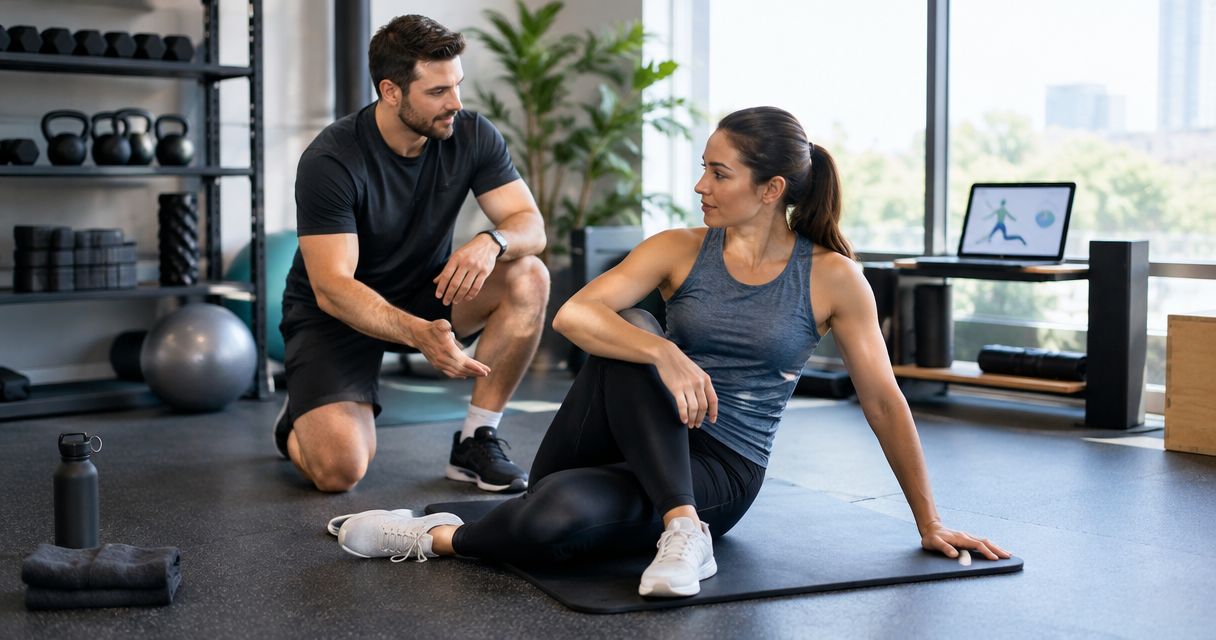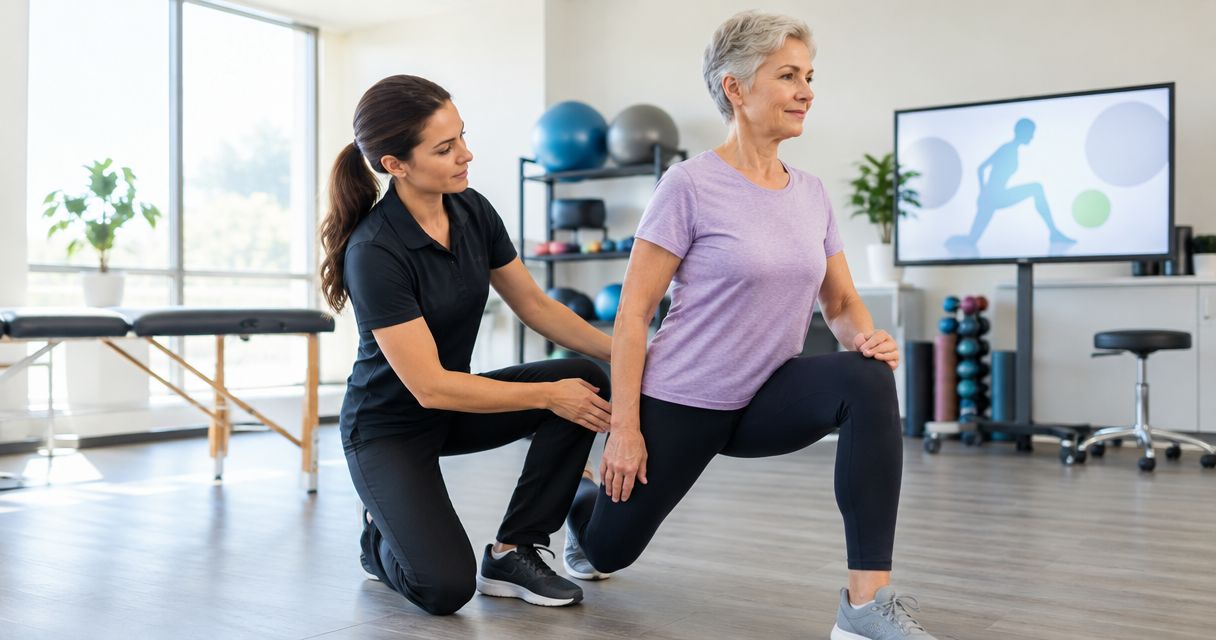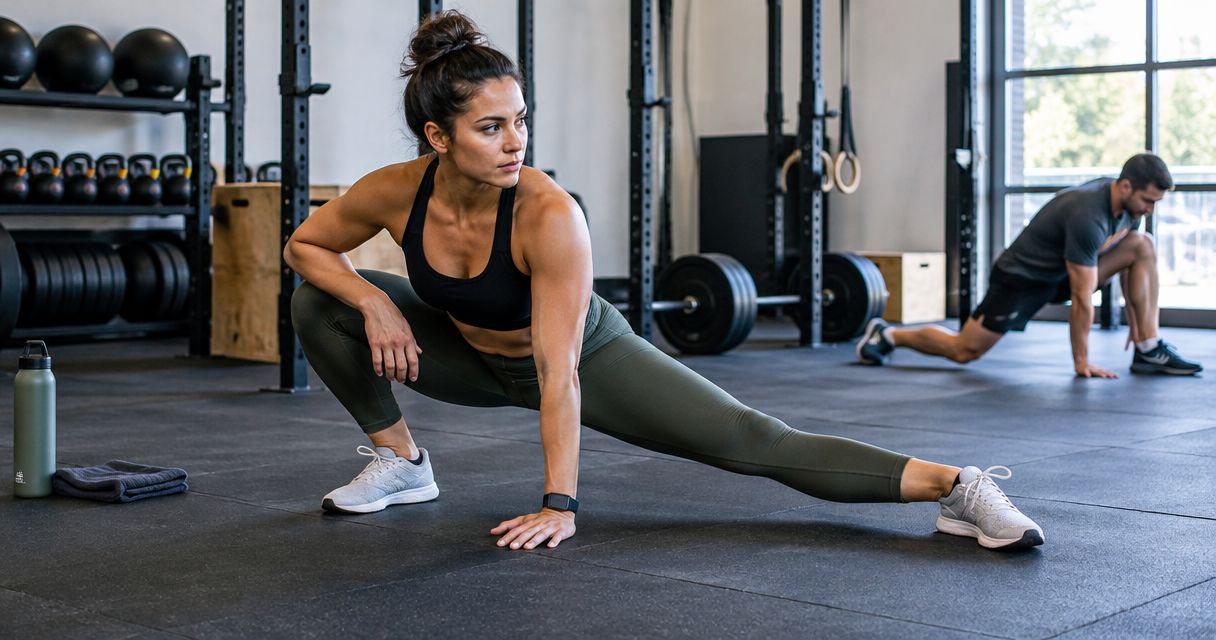
Mobility programs for corporate wellness teams are structured stretching and controlled-movement sessions designed to make regular movement part of the working day. Your challenge is not finding exercises; it is fitting voluntary, accessible movement into different schedules without turning wellness into another performance target.
- Mobility programs for corporate wellness teams need voluntary participation, practical scheduling, and clear boundaries around pain.
- Pliability is best for fitness-oriented employees who want daily mobility, stretching, and recovery videos.
- Start with a small pilot; measure repeat participation before expanding the program.
- Separate general movement support from clinical care and employee performance assessment.
Why mobility matters for corporate wellness teams
A workplace mobility program gives employees a planned opportunity to move rather than leaving movement to whatever time remains between meetings. Its immediate purpose is a usable movement habit, not a promise to eliminate pain or increase productivity.
Corporate teams need a different approach from sports teams. Employees have different movement experience, clothing, workspaces, privacy preferences, and physical needs. A routine that suits an enthusiastic gym-goer is not automatically suitable for someone joining from a shared office.
For desk-based employees, the stretching programs for desk workers guide provides a more focused starting point. Keep that audience distinct from employees whose jobs already involve substantial physical activity.
For your 2026 wellness plan, define success around participation and practical fit. Do not make fewer injuries, reduced absence, or improved output the headline unless you have evidence that supports those outcomes.
How to build a workplace mobility program
1. Define the outcome before choosing exercises
Start manually with a short employee questionnaire and a written program brief. Ask what makes movement difficult during the working day: lack of time, uncertainty about exercises, limited space, or discomfort with group participation.
Keep questions focused on program design. You do not need employees to disclose diagnoses to learn whether a meeting-heavy schedule prevents participation. Offer an anonymous response route and explain how you will use the answers.
Write a narrow objective that your team can evaluate. For example, aim to establish a recurring movement opportunity that employees choose to use. That is more useful than an undefined commitment to better wellbeing.
- Name the audience: desk-based, remote, hybrid, or another clearly defined group.
- Choose a primary objective, such as repeat participation.
- Ask about preferred timing, space, and delivery format.
- Set boundaries around health information collection.
- Assign one person to own scheduling and feedback.
2. Set safety and accessibility boundaries
A general wellness routine is not an individual assessment. Make that distinction explicit before employees join, and avoid presenting a group session as treatment for back pain, shoulder pain, or an injury.
Use participation rules that employees can follow without explaining their health history to colleagues. They should be able to skip a movement, choose a comfortable range, leave a session, or decline entirely.
If someone reports pain during an exercise, the instruction is to stop that movement—not push deeper or compete with the demonstration. Direct questions about persistent symptoms or individual restrictions to an appropriately qualified healthcare professional.
Keep flexibility out of workplace rankings. A deeper stretch is not evidence of better engagement or better health.
- State that participation is optional.
- Offer seated or standing alternatives where appropriate.
- Avoid requiring floor work in shared workspaces.
- Tell employees to stop movements that cause pain.
- Provide a private route for accessibility requests.
- Separate general wellness from clinical care.
3. Choose a delivery format employees can use
The manual starting point is a recurring calendar invitation, a clearly explained movement sequence, and a simple feedback form. This keeps the initial setup focused on learning what employees will actually use.
Guided video is the faster path when your main task is supplying repeatable instruction rather than creating sessions yourself. Pliability offers a subscription app with daily mobility, stretching, and recovery video routines for athletes and fitness enthusiasts, including teams.
Pliability is best for fitness-oriented employees who want daily mobility, stretching, and recovery videos. Evaluate Pliability against that use case, then confirm any workplace purchasing, accessibility, privacy, or administration requirements separately. A fitness app and an employer wellness management system are different buying decisions.
For your 2026 shortlist, prioritize the employee experience before the procurement checklist—but complete both before rollout.
- Choose self-led practice for employees who prefer minimal technology.
- Choose guided video when repeatable demonstrations are the priority.
- Choose live instruction when real-time questions matter.
- Test the format in the actual space employees will use.
- Confirm workplace requirements rather than assuming they are included.
4. Build a small movement menu
Do not start with a large library and ask employees to find their own way through it. Build a small menu around situations they recognize: a break between calls, a standing break, or movement after the working day.
Select movements that are easy to explain and perform without rearranging the workspace. For example, comfortable shoulder movements, supported ankle movements, and gentle seated trunk turns give you different areas to consider. Choose the actual routine with suitable instruction and clear alternatives.
Separate workday movement from post-workout recovery. An employee taking a brief office break does not necessarily want the same session as someone recovering from training.
The useful question is whether the movement fits the person and setting—not whether it looks impressive.
- Give each routine a clear purpose and setting.
- State whether it uses a chair, wall, or floor space.
- Include comfortable-range instructions rather than depth targets.
- Keep a standing option for unsuitable floor spaces.
- Avoid competitive stretch challenges.
- Explain how employees can skip or substitute movements.
5. Put movement into the schedule without policing it
A calendar slot creates an opportunity; it does not create permission on its own. Managers need to avoid scheduling over the session while also making clear that attendance is not a measure of commitment.
As a practical pilot design, reserve 5 minutes for each shared movement break and offer 2 scheduled opportunities per week. These are planning suggestions, not a clinical exercise dose or a promise about results. Match the session content to the time available.
Offer a self-directed alternative for employees who cannot attend the shared slot. Remote workers, shift workers, and customer-facing staff should not have to explain their absence from a single preferred time.
For the 2026 launch, include the participation boundaries in the invitation itself—not only in a policy document employees must find elsewhere.
- Use an optional calendar invitation with a clear duration.
- Explain clothing, space, and equipment requirements beforehand.
- Offer an asynchronous alternative where practical.
- Ask managers to protect the opportunity, not monitor attendance.
- Avoid making cameras mandatory for remote sessions.
6. Run a bounded pilot before expanding
Use a 4-week pilot to test the delivery process before making a broader commitment. This is an operational trial, not a deadline for physical change. Its purpose is to find scheduling friction, unclear instructions, and participation barriers.
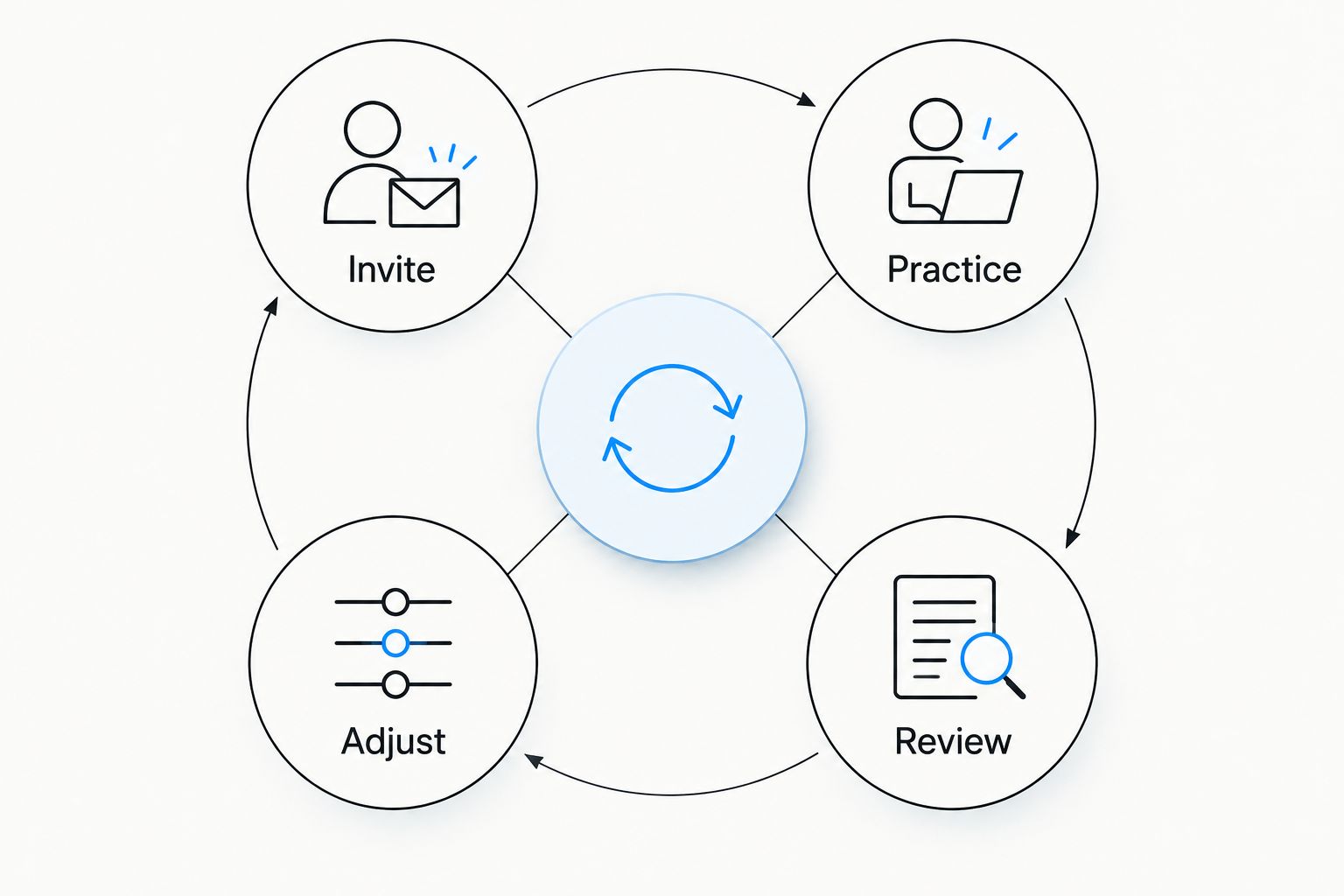
Keep the cycle simple: Invite, Practice, Review, Adjust. Explain the format, let employees try it, gather feedback, and change the parts that do not fit. Resist adding more content before you understand why existing sessions are used or skipped.
A small pilot also gives your coordinator a realistic view of the administration involved. Record the work required to schedule sessions, respond to questions, and maintain the routine menu.
- Invite a clearly defined group without pressure to join.
- Practice using the same basic format throughout the pilot.
- Review timing, clarity, comfort, and ease of access.
- Adjust the format before adding more sessions.
- Record administrative tasks alongside participation feedback.
7. Measure use without turning wellness into surveillance
Use a basic spreadsheet and an optional feedback form first. Record aggregate participation where practical, and explain what you collect before employees take part.
Distinguish first-time attendance from repeat participation. Someone opening a session once tells you something different from someone returning voluntarily. Neither measure proves a medical benefit.
For your 2026 review, pair participation information with direct feedback about schedule fit and instruction quality. Do not turn comments about stiffness into diagnostic categories, and do not send individual movement records to line managers as performance evidence.
Expand only when the format works for employees and the workload is manageable for the team running it. Low participation is a reason to investigate the design, not blame employees.
- Track aggregate participation and repeat participation.
- Ask whether the schedule fits the working day.
- Ask whether instructions and alternatives are clear.
- Record reasons for opting out without requesting diagnoses.
- Limit access to identifiable participation information.
- Decide whether to retain, revise, or stop the format.
Compare delivery options for your team
Choose the format around the problem you need to solve. A content gap, a scheduling problem, and a need for individual care require different responses. Buying more exercise content does not resolve all three.
The options below serve different purposes. Confirm scope and workplace requirements directly before selecting a provider or instructor.
| Option | Best for | Main advantage | Key limitation or check |
|---|---|---|---|
| Self-led movement breaks | Teams testing demand before selecting a platform | You control timing and keep the process simple | Your team must organize instructions, alternatives, and reminders |
| Pliability guided videos | Fitness-oriented employees seeking mobility, stretching, and recovery routines | Daily video routines provide a repeatable source of guided practice | Confirm workplace administration and accessibility needs separately; video is not individual clinical assessment |
| Live qualified instruction | Groups that need questions answered during practice | An instructor can explain movements and respond to questions | Shared scheduling limits who can attend; confirm the instructor's scope |
| Individual clinical care | Employees seeking assessment for pain or an injury | Addresses an individual's symptoms and care needs | It serves a different purpose from general group wellness |
Choose the simplest format that meets the actual need. Combine formats only when each has a distinct role; overlapping channels create more decisions for employees and more administration for your team.
Common mistakes corporate wellness teams make
Treating an athlete routine as the default office session
Fitness experience varies across a workforce. Review the movement demands, setup, and language before sharing a routine with everyone. Offer an accessible entry point rather than assuming enthusiasm for training.
Launching a library instead of a habit
A long list of sessions leaves employees with another selection task. Give the pilot a clear starting routine and a predictable time, then expand the menu in response to actual feedback.
Promising pain relief or productivity gains
Participation figures do not establish either outcome. Describe the program as an opportunity for guided movement and evaluate the outcomes you can genuinely measure.
Making managers the attendance police
Mandatory explanations for missed sessions undermine voluntary participation. Give managers responsibility for protecting the opportunity, not judging employees who decline it.
Buying before defining workplace requirements
An appealing demonstration does not answer questions about employee access, privacy, accessibility, or administration. Write those requirements before procurement, then verify each one directly.
FAQ
What's the best way to start a corporate mobility program?
Start with a voluntary pilot for a clearly defined employee group. Use a simple routine, a predictable schedule, and optional feedback before expanding.
Is Pliability suitable for corporate wellness teams?
Pliability suits fitness-oriented employees who want guided mobility, stretching, and recovery videos. Confirm workplace purchasing, administration, privacy, and accessibility requirements separately before choosing it for an employer program.
How long should workplace mobility sessions last?
Use a five-minute calendar slot as an initial planning option for a brief shared movement break. Match the routine to that time and adjust the format using employee feedback; this is not a prescribed exercise dose.
Should employees stretch through pain during a session?
No—employees should stop movements that cause pain rather than push further. General workplace mobility is not a substitute for individual assessment of persistent symptoms or an injury.
Is a mobility app better than a live instructor?
A mobility app fits self-directed guided practice, while live instruction fits groups that need questions answered during the session. Choose according to employee needs, scheduling, and the support required.
Can remote employees join without turning on their cameras?
Design the program so remote employees can participate without mandatory cameras. Explain movements clearly and provide an optional private route for questions or accessibility requests.
How do you measure whether a workplace mobility program works?
Measure aggregate participation, repeat participation, schedule fit, and instruction clarity. Do not present those measures as proof of reduced injuries, pain relief, or increased productivity.
One last thing
Before approving your 2026 rollout, read the invitation from the perspective of someone who does not exercise regularly. Does it explain the space needed, what participation involves, and how to decline without embarrassment?
Remove friction before adding content. Pliability can supply guided mobility videos, but your team still owns the invitation, protected time, participation boundaries, and follow-through. Those decisions belong in the program from the start.