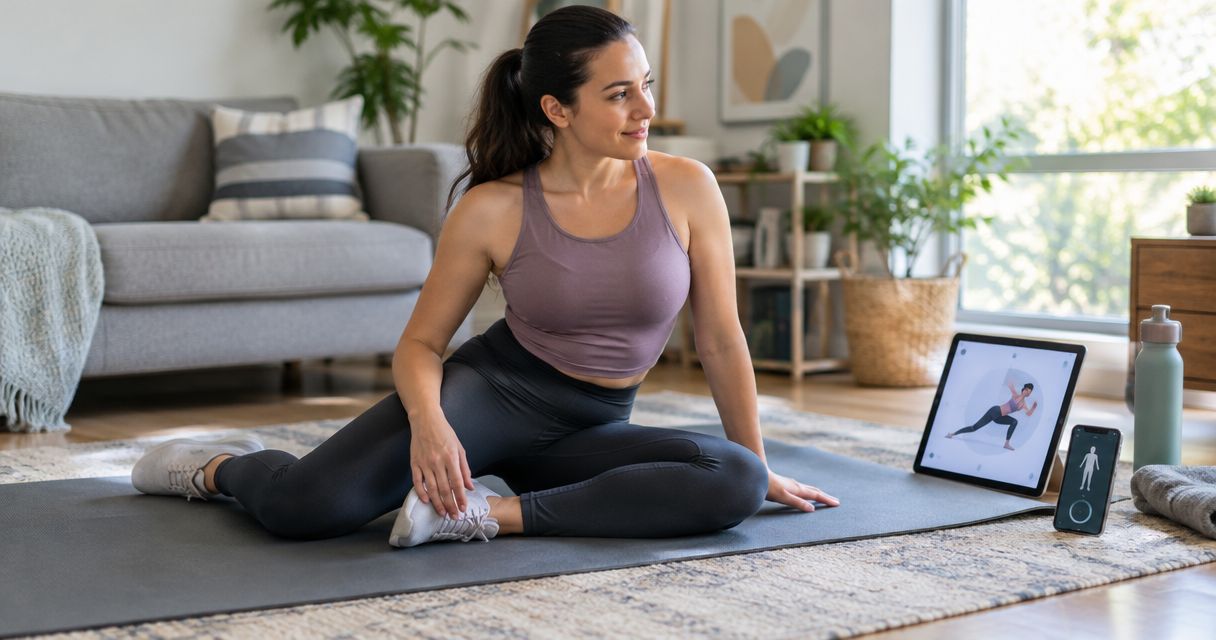
Best overall for daily guided recovery: Pliability. Best for assessment-led routines: GOWOD; best for active movement practice: ROM Coach; best for yoga-based stretching: Down Dog. This 2026 guide helps you choose the best mobility app for shoulder mobility by matching the format to your training, movement goals, and symptoms.
- Pliability is the best mobility app for shoulder mobility when daily guided stretching and recovery are your priority.
- GOWOD suits athletes who want a mobility assessment to guide their routine.
- ROM Coach suits active mobility practice; Down Dog suits yoga-based stretching.
- Choose comfortable, repeatable movement—not the deepest stretch or the longest session.
- Shoulder pain, sudden weakness, or symptoms after injury need assessment, not an app ranking.
Why this matters
A stiff shoulder does not automatically need a harder stretch. Reaching overhead involves your upper arm, shoulder blade, and upper back working together. An app should help you practice useful movement, not encourage you to force a position.
Your goal also changes the choice. An athlete looking for guided recovery needs a different format from someone who wants active shoulder exercises or a yoga practice after sitting all day.
The right app makes a useful routine easier to repeat. It does not diagnose why your shoulder feels restricted. Keep that distinction clear before comparing features.
What makes the best shoulder mobility app?
Use these criteria to judge a shoulder mobility app in 2026. A large exercise library is not enough if you cannot identify a suitable session or follow the instructions comfortably.
- Relevant movement: Look for work that addresses shoulder movement alongside the shoulder blades and upper back, rather than treating every restriction as tight muscle.
- Clear demonstrations: You should understand the setup, movement direction, and intended position without guessing where your arm belongs.
- A repeatable format: Choose guided recovery, assessment-led routines, active exercises, or yoga according to what you will actually use.
- Control, not just depth: Useful practice includes moving deliberately through a comfortable range, not simply holding the deepest position available.
- A sensible training fit: Your routine should complement lifting, sport, and daily activity rather than become another demanding session by default.
- A clear stopping point: Pain, numbness, tingling, or sudden weakness are not targets to stretch through. An app is not a substitute for assessment.
Best shoulder mobility apps at a glance
This 2026 comparison ranks the apps by distinct use cases. The order is a recommendation about format and fit, not a claim that one app produces better clinical outcomes.
| App | Best for | Standout feature | Key limitation |
|---|---|---|---|
| Pliability | Daily guided recovery | Daily mobility, stretching, and recovery video routines | Guided practice does not replace individual assessment |
| GOWOD | Assessment-led routines | Mobility testing linked to personalized mobility work | A mobility score is not a diagnosis |
| ROM Coach | Active movement practice | Exercise-based mobility routines with video instruction | Deliberate exercise practice requires attention to technique |
| Down Dog | Yoga-based stretching | Customizable yoga practices | A general yoga practice is not shoulder-specific rehabilitation |
1. Pliability: best shoulder mobility app for daily guided recovery
This subscription app provides daily mobility, stretching, and recovery video routines for athletes and fitness enthusiasts. It is the strongest fit here when you want a guided habit alongside training rather than a separate exercise-planning task.
For shoulder mobility, the practical appeal is the format: you follow a routine rather than assemble a session from individual exercises. Choose this approach when your main challenge is consistently making room for movement and recovery.
Pliability pros:
- Daily routines give you a defined starting point.
- Video guidance provides a movement demonstration to follow.
- Mobility, stretching, and recovery sit within the same offering.
- The app serves athletes and fitness enthusiasts, including HYROX competitors and teams.
Pliability cons:
- A video routine cannot assess an individual shoulder injury.
- Following a session does not automatically show whether your overhead control has improved.
- Guided recovery is a different task from individualized rehabilitation or sport-specific strength programming.
Best for: Athletes and fitness enthusiasts who want daily guided mobility, stretching, and recovery.
Use a familiar movement outside the session to judge relevance. Notice whether reaching to a shelf feels more comfortable without leaning backward or shrugging aggressively; do not judge the session only by how strong the stretch felt.
Verdict: Buy for a daily guided recovery habit—not as treatment for shoulder pain.
2. GOWOD: best shoulder mobility app for assessment-led routines
GOWOD uses mobility testing and personalized mobility routines. Its distinct role in this comparison is giving athletes an assessment-led starting point rather than asking them to choose every exercise independently.
That structure suits you if you want to revisit a movement baseline and organize mobility work around it. Treat the assessment as a training reference, not a medical explanation for discomfort.
GOWOD pros:
- Mobility testing gives the routine a defined starting point.
- Personalized mobility work connects assessment with practice.
- Repeating a consistent assessment supports comparison over time.
GOWOD cons:
- A mobility score does not explain the cause of pain or restriction.
- Testing technique affects how useful repeated comparisons are.
- A better test result does not automatically mean better control during a loaded lift.
Best for: Athletes who prefer assessment-led mobility work and a repeatable baseline.
Keep the setup consistent when you reassess. Changing your position or pushing harder can change the result without showing a useful change in everyday movement.
Verdict: Buy if assessment-led structure helps you follow through; skip it if tracking becomes the goal itself.
3. ROM Coach: best shoulder mobility app for active movement practice
ROM Coach centers on mobility exercises and guided routines. It fits readers who want to practice deliberate movement rather than make passive stretching the whole session.
That distinction matters when you can reach a position with assistance but struggle to move there under your own control. Active practice asks you to pay attention to how you enter, hold, and leave a position.
ROM Coach pros:
- Exercise-based routines provide a structure for active mobility practice.
- Video instruction helps you understand an unfamiliar movement.
- The format suits readers who enjoy focused technique work.
ROM Coach cons:
- Active exercises require concentration rather than passive participation.
- Video instruction cannot provide hands-on correction.
- More effort is not automatically better when your shoulder already feels irritated.
Best for: People who want deliberate active mobility exercises and are willing to focus on technique.
Keep the distinction between range and control clear. Reaching farther by arching your lower back is not the same as gaining comfortable shoulder movement.
Verdict: Buy for focused movement practice; skip forcing a larger range to complete an exercise.
4. Down Dog: best shoulder mobility app for yoga-based stretching
Down Dog provides customizable yoga practices. It is the best fit here when you want shoulder movement within a broader yoga session rather than a dedicated mobility format.
A yoga practice can include upper-body movement, breathing, and whole-body positions. It also includes work beyond the shoulders, so choose it because you want yoga—not because every pose is relevant to your overhead reach.
Down Dog pros:
- Customizable practices let you shape the yoga session.
- Whole-body movement suits readers who dislike isolated exercise drills.
- Yoga provides a distinct alternative to assessment-led mobility work.
Down Dog cons:
- General yoga is not individualized shoulder rehabilitation.
- Some yoga positions place body weight through the arms.
- A whole-body session includes movements unrelated to your specific shoulder goal.
Best for: People who already enjoy yoga and want stretching within that practice.
Modify or leave out positions that provoke symptoms. Completing every pose is not a useful measure of shoulder progress.
Verdict: Buy for yoga-based stretching; skip painful arm-supported positions rather than pushing through them.
How to choose without chasing more range
Use this practical selection process in 2026. The aim is to connect the app with something you want to do, rather than collect routines without a clear purpose.
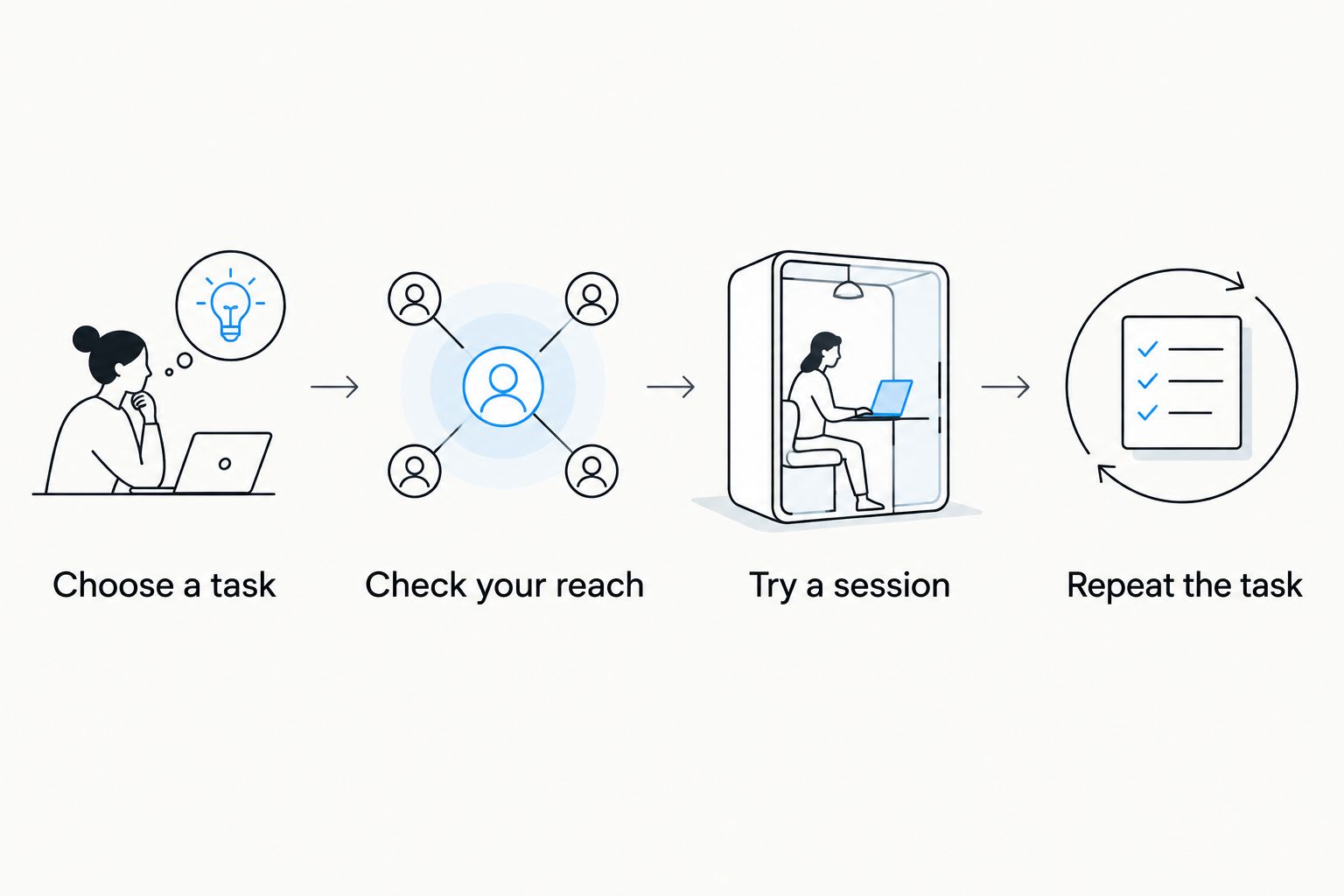
Choose a task
Pick a familiar task, such as reaching a shelf, putting on a jacket, or preparing for an overhead exercise. Keep the goal specific enough that you can describe what feels restricted.
Check your reach
Before a session, make 3 slow, comfortable repetitions of that task without forcing the endpoint. Notice symptoms and obvious compensations, such as leaning backward to raise your arm.
Try a session
Choose 1 session that matches your goal and follow the demonstration conservatively. Reduce the range or stop if the movement causes pain, numbness, or tingling.
Repeat the task
Afterward, repeat the same task under the same conditions. Review your experience after 1 week of practice; this is a suggested check-in schedule, not a promised improvement timeline.
A temporary feeling of looseness is not the only outcome to notice. Comfortable movement, clear instructions, and a routine you can repeat are more useful selection criteria than soreness afterward.
How this ranking works
This 2026 ranking prioritizes routine format, clarity of purpose, and fit with the reader's goal. The default recommendation favors daily guided recovery; the alternatives each serve a different preference: assessment-led work, active movement practice, or yoga.
This is not a clinical trial, a rehabilitation prescription, or a ranking based on invented improvement scores. Choose the format that matches the job, then judge whether the routine helps you practice comfortably and consistently.
Which shoulder mobility app should you choose?
Pliability is the best mobility app for shoulder mobility when your priority is daily guided stretching and recovery. Choose GOWOD for assessment-led structure, ROM Coach for active mobility practice, or Down Dog when yoga is the practice you want to maintain.
For your 2026 routine, start with one approach rather than switching apps whenever a session feels difficult. Change direction when the format does not fit your goal—not because another app promises a more impressive-looking stretch.
FAQ
What's the best mobility app for shoulder mobility?
The best choice depends on whether you want guided recovery, assessment-led routines, active movement practice, or yoga. Match the format to your goal rather than assuming every mobility app serves the same purpose.
Is GOWOD better than ROM Coach for shoulders?
GOWOD is the better fit for assessment-led mobility work, while ROM Coach fits active movement practice. Neither choice replaces an individual assessment when shoulder symptoms interfere with activity.
Can a mobility app fix shoulder pain?
A mobility app cannot diagnose or guarantee relief from shoulder pain. Seek assessment for persistent or worsening pain, sudden weakness, or symptoms following an injury rather than repeatedly stretching through them.
Should I stretch my shoulders before lifting?
Use a warm-up that prepares you for the movements and loads in your lifting session. A stretching routine is not a replacement for progressively rehearsing the exercise you plan to perform.
What's the difference between shoulder flexibility and mobility?
Shoulder flexibility describes available range of motion; mobility also involves controlling movement through that range. Assisted stretching and active movement practice therefore address related but different tasks.
How do I know whether a shoulder routine is helping?
Compare a familiar movement under consistent conditions and notice comfort, control, and compensations. Do not use stretch intensity or soreness as proof that the routine is working.
Should I keep stretching if my shoulder tingles?
Stop a movement that causes tingling or numbness rather than pushing deeper. Get medical advice if symptoms persist, recur, or accompany weakness.
One last thing
More overhead reach is not automatically more shoulder mobility. If you gain height by leaning backward, you have changed the movement rather than demonstrated better shoulder control.
Keep the task honest. A smaller, comfortable movement you control is a better practice target than an impressive position you have to force.