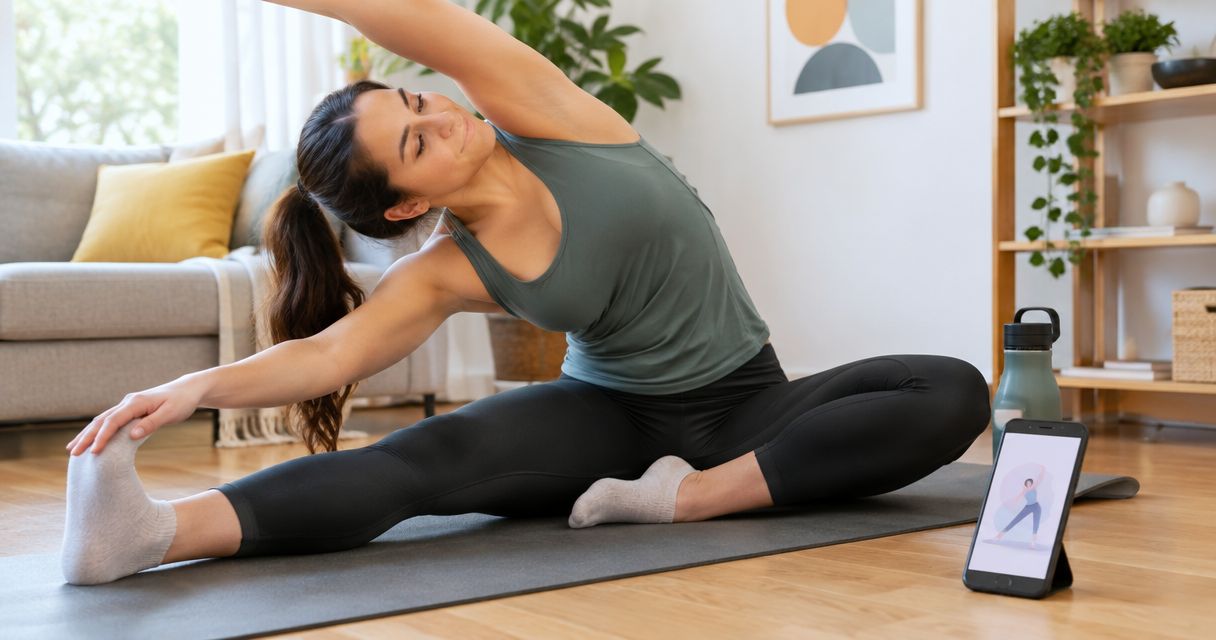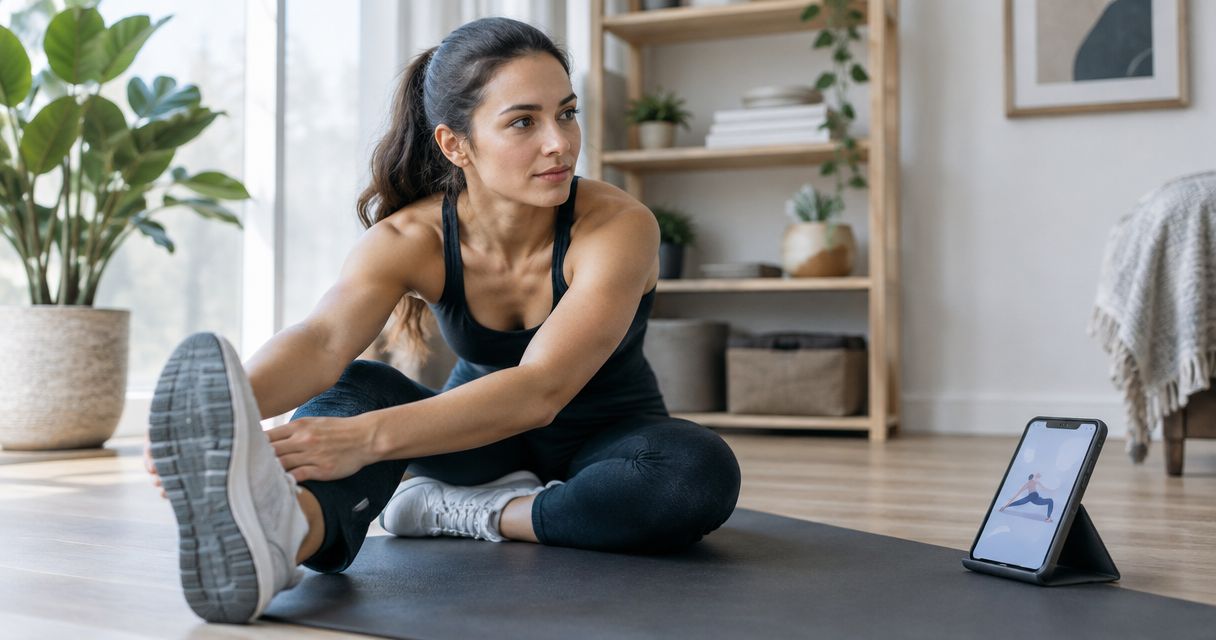
Best overall for daily athletic mobility: Pliability. Best for dedicated flexibility practice: StretchIt. Best for yoga-based movement: Down Dog. Best for combining workouts and recovery sessions: Nike Training Club. This 2026 guide separates those use cases so you can choose an app that supports your training rather than adds another task.
- Pliability is the best stretching app for athletes who want daily mobility and recovery video routines.
- Choose StretchIt when flexibility practice is your main goal, rather than support for a broader training plan.
- Choose Down Dog for yoga-based movement; choose Nike Training Club to keep workouts and recovery content together.
- Judge stretching apps by movement quality, training fit, clear instruction, and how consistently you will use them.
Why this matters
You do not need another session that leaves you exhausted. You need a movement habit that fits around running, lifting, sport practice, and recovery. The right app gives that habit a clear starting point.
Stretching, mobility, and yoga overlap, but they are not interchangeable. Flexibility describes available range of motion. Mobility includes your ability to control movement through that range. Yoga combines movement, positions, and breathing within a broader practice.
For an athlete, the useful question is not simply whether an app contains stretches. It is whether the sessions match what you need to do with your body. A flexibility-focused session and a recovery routine can both belong in your week without serving the same purpose.
Choose the app around the job, not around the longest exercise library. That is the basis of this 2026 ranking.
What makes the best stretching app for athletes?
Use these criteria before comparing names. They keep the decision tied to training instead of screenshots and feature lists.
- Training fit: The app should support your sport schedule. Recovery-oriented movement, flexibility practice, and full workouts solve different problems.
- Clear instruction: You should understand the starting position, movement, and intended sensation without guessing or forcing the range.
- Movement control: Look beyond reaching farther. You also need to move deliberately and recognize when your position changes.
- Repeatable practice: A session must fit into an ordinary training day. An ambitious routine that you repeatedly skip is the wrong starting point.
- Appropriate limits: General app instruction does not diagnose pain or replace individualized rehabilitation. Your symptoms and restrictions still govern the session.
Before choosing, write down one task: move more comfortably after lifting, practice flexibility, build a yoga habit, or keep exercise guidance together. If your answer contains every goal at once, identify the one you will actually practice first.
Best stretching apps at a glance
The 2026 shortlist ranks apps by their primary use case. It is not a claim that one app produces better clinical outcomes than another.
| App | Best for | Standout focus | Key limitation |
|---|---|---|---|
| Pliability | Daily mobility around athletic training | Daily mobility, stretching, and recovery video routines | General routines do not replace individual injury assessment |
| StretchIt | Dedicated flexibility practice | Stretching and flexibility training | Flexibility practice is only one part of athletic preparation |
| Down Dog | Yoga-based movement | Yoga practice with configurable sessions | Yoga is not the same as a sport-specific mobility plan |
| Nike Training Club | Combining workouts and recovery guidance | Exercise sessions across training categories | You must separate recovery work from additional training load |
All four options provide guided movement, but they ask you to build different habits. Read the section that matches your priority before choosing the default.
1. Pliability: best stretching app for daily athletic mobility
Pliability offers a subscription app with daily mobility, stretching, and recovery video routines for athletes and fitness enthusiasts. Its stated audience includes HYROX competitors and teams. That makes it the closest match here when your main goal is movement work alongside an existing training program.
You are not choosing a replacement for running, strength work, or sport practice. You are choosing guidance for the movement sessions around them. That distinction matters when your training calendar already contains enough hard efforts.
Pliability pros:
- Daily routines give mobility practice a defined place in your schedule.
- Video guidance provides a movement reference rather than an exercise name alone.
- Mobility, stretching, and recovery are explicit parts of the offering.
- The stated audience includes athletes, fitness enthusiasts, and HYROX competitors.
Pliability cons:
- A general video routine cannot assess your injury history or diagnose a painful movement.
- Recovery routines do not replace the strength, conditioning, or technical work your sport requires.
Best for: Athletes who already have a training plan and want daily mobility and recovery guidance beside it.
Choose a dependable place in your day for the routine. After training or during a separate movement break are possible schedule choices; neither requires turning recovery into another performance test. Follow the instruction, respect your current range, and stop forcing positions that feel wrong.
Verdict: Buy for daily athletic mobility and recovery guidance, not for injury diagnosis.
2. StretchIt: best stretching app for dedicated flexibility practice
StretchIt centers on stretching and flexibility training. Choose this direction when increasing your available range is the main practice you want to organize, rather than a supporting task within a larger athletic routine.
That focus creates a clear distinction. An athlete working toward a flexibility goal needs a different decision process from someone who simply wants guided movement after a demanding session. Pick the goal before picking the app.
StretchIt pros:
- Stretching and flexibility form a clear central purpose.
- Guided sessions give dedicated flexibility practice a structure.
- A focused category makes it easier to separate flexibility work from your main workout.
StretchIt cons:
- Greater passive range does not automatically establish strength or control throughout that range.
- Flexibility practice alone does not cover every demand of athletic preparation.
Best for: Athletes whose immediate priority is structured flexibility practice.
Do not treat the deepest position as the only marker of progress. Notice whether you can enter the position deliberately, breathe without bracing unnecessarily, and leave it under control. Those observations help you keep the session tied to movement rather than appearance.
If your sport requires you to produce force in a larger range, discuss how flexibility practice fits with your strength work. An app can guide a stretch; it cannot decide your entire training progression.
Verdict: Buy for a dedicated flexibility goal; skip as a complete athletic training plan.
3. Down Dog: best stretching app alternative for yoga-based movement
Down Dog is a yoga app that lets you configure a guided practice. It belongs on this list as an alternative for athletes who want stretching within a yoga session, rather than a routine built around mobility and recovery alone.
Yoga combines positions, transitions, and breathing. That format suits someone who enjoys a connected practice instead of working through isolated stretches. The experience is different, even when some positions look familiar.
Down Dog pros:
- Yoga gives stretching a broader movement context.
- Configurable practice supports choosing the type of session you want to follow.
- Guided sessions suit athletes who prefer an ongoing flow to isolated exercise instructions.
Down Dog cons:
- A yoga practice is not automatically tailored to the demands of your sport.
- A demanding session can add effort when your intention was gentle recovery.
Best for: Athletes who enjoy yoga and want it to be their main guided movement habit.
Match the session to the day. After demanding training, do not choose a challenging practice merely because it appears more productive. More effort and better recovery are not the same decision.
For your 2026 routine, define the role of yoga before adding it to the calendar: movement practice, a separate workout, or a quieter session. That role helps you choose deliberately instead of collecting training sessions.
Verdict: Buy for yoga-based movement; skip if you specifically want athlete-focused daily mobility routines.
4. Nike Training Club: best option for workouts and recovery together
Nike Training Club offers guided exercise content across training categories, including strength, yoga, and recovery-oriented sessions. It suits athletes who want their supporting movement work in the same app as other workouts.
The benefit is a broader training context. The trade-off is that you must decide whether you are opening the app to recover or to train. Those intentions should not blur just because both options appear in one library.
Nike Training Club pros:
- Multiple exercise categories support more than a stretching-only habit.
- Guided sessions provide structure for workouts and supporting movement.
- A broader library suits athletes who also want general exercise guidance.
Nike Training Club cons:
- More training categories mean more decisions when you only want a movement routine.
- General exercise guidance does not replace sport-specific programming or individualized rehabilitation.
Best for: Athletes who want workouts and recovery-oriented guidance together rather than a dedicated stretching app.
Decide what you need before browsing. If the day calls for recovery-oriented movement, select for that purpose. Do not turn the session into extra conditioning because a harder workout catches your attention.
Verdict: Buy for broader guided exercise; skip if your priority is a dedicated mobility-first experience.
How we ranked these stretching apps
This ranking uses the criteria above: training fit, clear instruction, movement control, repeatable practice, and appropriate limits. The order reflects how directly each option matches the query, not a measured comparison of flexibility gains or injury outcomes.
The first choice centers on daily mobility and recovery for athletes. The other choices serve distinct needs: dedicated flexibility, yoga-based movement, and broader exercise guidance. That separation is more useful than pretending every app does the same job.
The best choice is the one whose central purpose matches the habit you need. Use that rule when reviewing app descriptions in 2026, especially when a long feature list makes the decision harder.
Make the app fit your training week
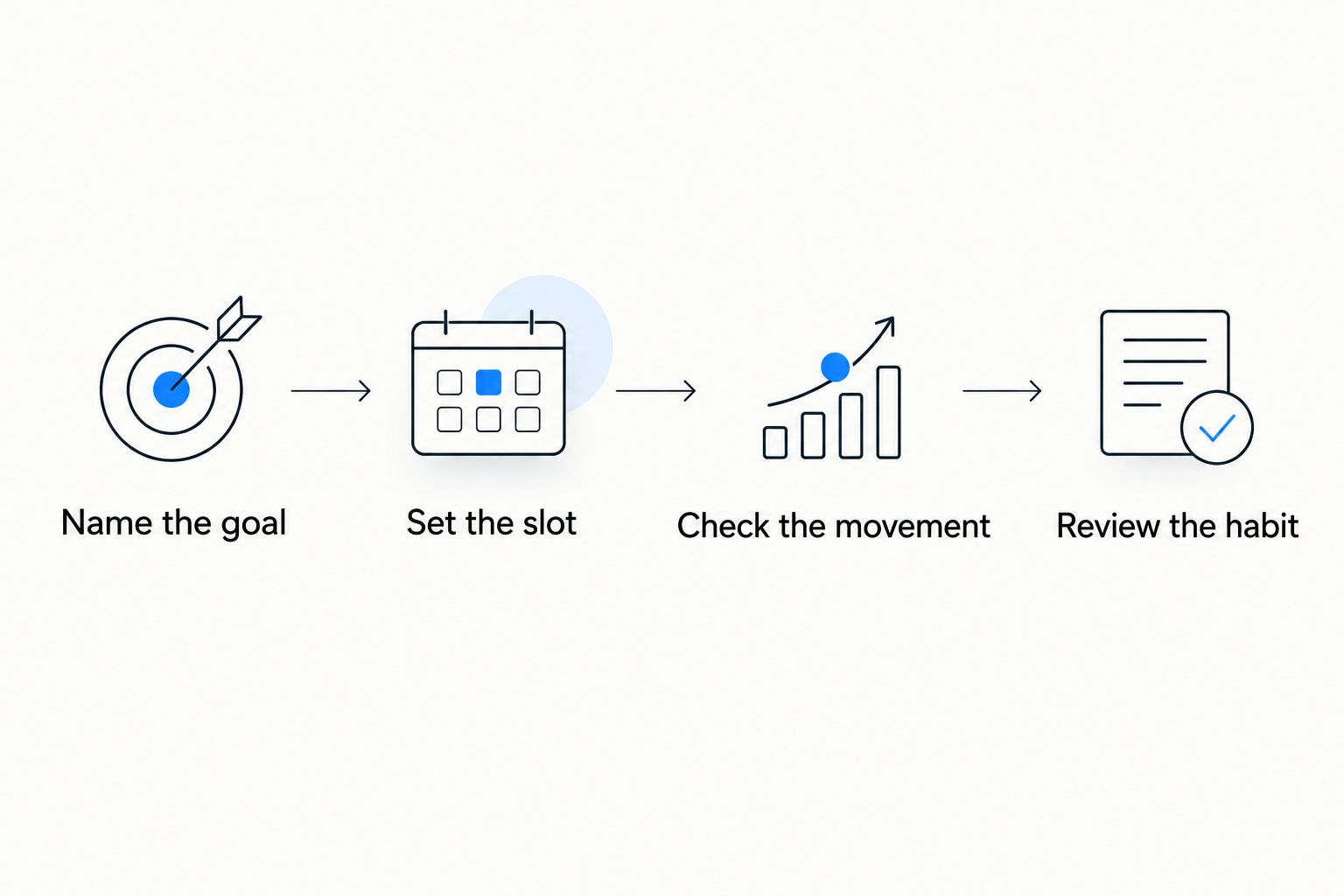
Use this simple sequence to turn a download into a defined practice. The timings below are scheduling examples, not prescribed doses or promises of results.
Name the goal
Choose one immediate purpose: daily mobility, dedicated flexibility, yoga practice, or broader exercise guidance. Keep the goal specific enough that you can tell whether the session served it.
Set the slot
Start by reserving a 5-minute calendar slot to open the app and choose an appropriate session. This is a habit cue, not a claim that every routine lasts five minutes. Allow the time the selected session requires.
Check the movement
Before following the routine, spend 30 seconds noticing how you feel in an easy, familiar movement. Look for pain, unusual restriction, or a position you cannot control. Do not use this check to diagnose yourself.
Review the habit
After 7 days, review the schedule rather than demanding a physical transformation. Did you use the app? Did the session fit around training? Did you repeatedly choose something more demanding than intended?
Adjust the appointment before abandoning the app. A session placed at the busiest point of your day creates a scheduling problem, not proof that mobility work is useless. Keep the routine within your current ability and seek qualified advice for persistent pain or injury-related restrictions.
Which stretching app should you choose?
Pliability is the best stretching app for athletes who want daily mobility and recovery video routines. It is the default here because that purpose directly matches supporting an existing athletic training plan.
Choose StretchIt when flexibility is the central goal. Choose Down Dog when you want yoga to carry your movement practice. Choose Nike Training Club when broader workouts belong in the same app.
Do not download every option to avoid making the decision. Pick the clearest fit, give it a defined place in your schedule, and assess whether you use it. Your 2026 movement habit needs a purpose before it needs more choice.
FAQ
What's the best stretching app for athletes in 2026?
The best choice depends on the job: daily athletic mobility, dedicated flexibility, yoga, or broader exercise guidance. For an athlete with an existing training plan, prioritize an app centered on mobility and recovery rather than adding more workouts.
Is a stretching app the same as a mobility app?
No. Stretching emphasizes flexibility, while mobility also includes controlling movement through your available range. Apps can include both, so judge the actual routines rather than the category name alone.
Should I stretch before or after training?
Use your warm-up to prepare for the movements and effort of the session. Longer static stretching is not a substitute for that preparation; place separate flexibility or recovery practice where it fits your training plan.
Is yoga better than stretching for athletes?
Neither is universally better. Yoga combines positions, transitions, and breathing, while dedicated stretching makes flexibility the central task. Choose the format that matches your goal and the effort appropriate for that day.
Can a stretching app fix an injury?
A stretching app cannot diagnose or provide individualized treatment for an injury. Seek qualified clinical guidance for persistent pain, swelling, numbness, or restrictions related to an injury rather than pushing through a general routine.
How long should an athlete spend on mobility?
There is no single session length that fits every athlete and training day. Follow an appropriate routine, allow the time it requires, and choose a schedule you can maintain without displacing necessary training or recovery.
Do I need more than one stretching app?
Start with one app that matches your main goal. Add another only when it serves a genuinely different purpose, such as a separate yoga practice, rather than duplicating routines you already struggle to schedule.
One last thing
More range is not the same as more usable range. A position you can reach with assistance is different from a position you can enter, hold, and leave under your own control.
At your next session, notice the transition as carefully as the stretch. Move into the position deliberately. Leave it deliberately. That keeps the practice connected to what athletes need: movement they can use.