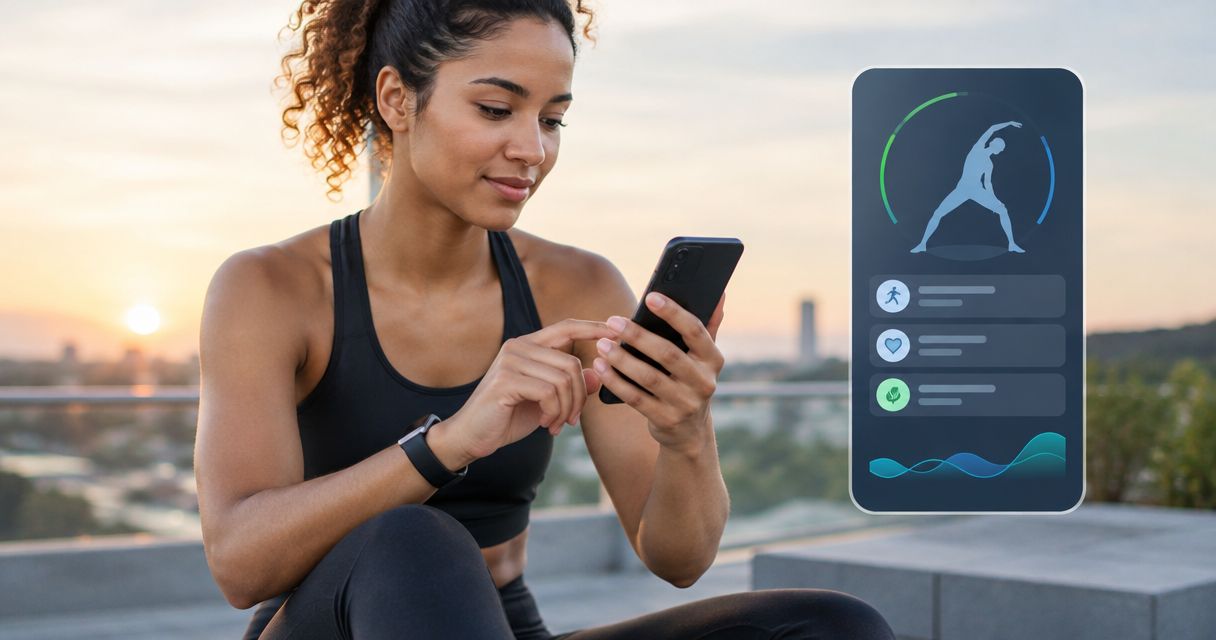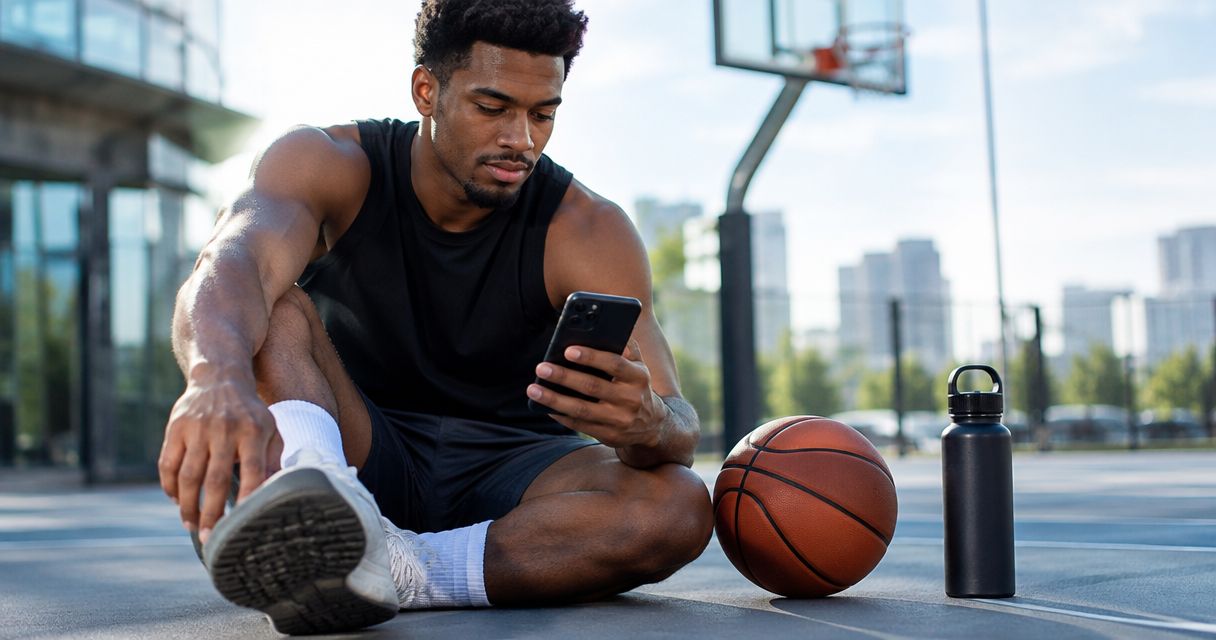
Best overall: Pliability. Best for guided yoga: Down Dog. Best for combining mobility with strength: Nike Training Club. Best for flexibility-focused sessions: STRETCHIT. This 2026 guide matches each app to a basketball player's training needs, from daily stretching to movement preparation.
- Pliability is the best mobility app for basketball players who want daily guided mobility, stretching, and recovery routines.
- Choose Down Dog for yoga, Nike Training Club for broader training, or STRETCHIT for flexibility-focused practice.
- Use dynamic movement before basketball; place longer, relaxed stretching sessions after training or at another time.
- Choose an app you can repeat consistently, not one that promises to fix every movement limitation.
Why this matters
Basketball asks you to accelerate, brake, cut, jump, and land. An app can guide movement practice around those demands. It cannot replace strength training, court preparation, or assessment of an injury.
The useful distinction is between having range and controlling range. A deep stretch does not prove you can use that position while defending, decelerating, or taking off. Your mobility practice should support movement, not become a separate contest for the deepest position.
Choose your 2026 app around the gap in your current schedule. If you already lift and practice regularly, daily guided mobility fills a different role from another general workout library.
What makes the best mobility app for basketball?
Use these criteria before comparing app names:
- Clear purpose: Know whether you want mobility practice, flexibility work, yoga, or broader strength training. Those categories overlap, but they are not interchangeable.
- Usable guidance: Follow instructions that help you understand the position and stay in control. A movement you cannot reproduce is not a useful addition.
- Relevant movement: Give attention to ankles, hips, and upper-back movement where those areas limit comfortable basketball positions.
- Schedule fit: Choose a format you can place around practice, lifting, games, and rest. An ambitious routine that displaces sleep is a poor trade.
- Appropriate limits: Stop treating stretching as the answer to pain, swelling, instability, or a recent injury. Those problems require a different decision.
The best choice is the app that fills your actual training gap. A player seeking a repeatable recovery routine needs something different from a player seeking yoga or additional strength sessions.
Basketball mobility apps at a glance: 2026 picks
| Rank | App | Best for | Standout focus | Key limitation |
|---|---|---|---|---|
| 1 | Pliability | Daily guided mobility and recovery | Daily mobility, stretching, and recovery video routines | Does not replace basketball practice or strength training |
| 2 | Down Dog | Players who prefer yoga | Guided yoga practice with adjustable session settings | Yoga is not basketball-specific movement preparation |
| 3 | Nike Training Club | Combining mobility with broader training | Strength, mobility, and yoga workouts | Requires you to separate mobility work from other training |
| 4 | STRETCHIT | Dedicated flexibility practice | Stretching and flexibility classes | Flexibility work alone does not develop landing or cutting skill |
These are different training approaches, not interchangeable versions of one product. Start with the use-case column. Then check whether the session format fits the way you already train.
1. Pliability: best mobility app for basketball daily routines
This subscription app offers daily mobility, stretching, and recovery video routines for athletes and fitness enthusiasts. Its clearest role is giving your mobility practice a regular place alongside court work and lifting.
Best for: Basketball players who want guided daily mobility without building every session themselves.
A daily format gives you a practical starting point: follow a routine instead of collecting disconnected stretches. Keep your attention on how comfortably you can enter, control, and leave each position. Do not chase depth just to match the person on screen.
Pliability pros:
- Daily routines provide a repeatable structure.
- Video guidance supports follow-along practice.
- Mobility, stretching, and recovery sit within the app's stated focus.
- The athlete-focused format fits a supporting role around training.
Limitations:
- Guided mobility does not replace loaded strength work or basketball skill practice.
- A subscription routine is not an assessment of pain or injury.
- You still need to choose session timing around your basketball workload.
Use this option when your main problem is consistency rather than a lack of exercise ideas. Keep your basketball warm-up separate, and treat recovery sessions as supporting work rather than proof that you are ready for another hard session.
Verdict: Buy for a daily guided mobility habit.
2. Down Dog: best basketball mobility option for yoga
Down Dog provides guided yoga practice with adjustable settings such as session length and practice level. Choose it when you prefer moving through a yoga session rather than following a dedicated stretching routine.
Best for: Basketball players who already enjoy yoga and want it to remain part of their weekly routine.
Yoga brings a different session style. You move between positions, pay attention to breathing, and work within the demands of the selected practice. That makes it an alternative format, not a basketball-specific substitute.
Down Dog pros:
- Guided sessions provide structure for yoga practice.
- Adjustable session settings help you choose an appropriate format.
- Position transitions offer more than isolated stretching holds.
Down Dog cons:
- Yoga sequences are not basketball warm-ups.
- More demanding practices add exercise rather than serving only as relaxed recovery.
- A yoga app does not assess why one ankle or hip feels restricted.
Check the practice you select before placing it between demanding court sessions. A challenging session is still training, even when it happens on a yoga mat. Choose a level you can perform without forcing positions or holding your breath.
Verdict: Buy if yoga is the format you will practice consistently; skip if you want only daily mobility routines.
3. Nike Training Club: best for mobility alongside strength
Nike Training Club includes strength, mobility, and yoga workouts. It suits players who want mobility within a broader exercise library rather than as their only reason to open an app.
Best for: Basketball players who want guidance across several types of off-court training.
The attraction is breadth. The decision is whether that breadth supports your existing plan or encourages you to add sessions without a clear purpose. If a coach already programs your lifting, select supporting work rather than stacking another strength workout on top.
Nike Training Club pros:
- Strength and mobility content sit within the same app.
- Yoga offers another guided movement format.
- The broader library suits players with more than one off-court training need.
Nike Training Club cons:
- A general fitness library is not a basketball development plan.
- More workout choices require clearer decisions about workload.
- A hard strength session and a gentle mobility session serve different purposes.
Before starting, name the job: strength, movement preparation, or lower-intensity practice. Then select accordingly. Finishing an additional workout is not automatically more useful than preserving energy for your next court session.
Verdict: Buy into this approach when broader training guidance is the priority; skip it as your default if you only want stretching.
4. STRETCHIT: best for flexibility-focused practice
STRETCHIT centers on guided stretching and flexibility classes. Choose it when increasing comfortable available range is your main interest, rather than finding a general training library.
Best for: Basketball players who prefer dedicated flexibility sessions and clear stretching instruction.
Keep the goal specific. Reaching farther in a stretch is different from controlling a defensive stance or absorbing a landing. Flexibility practice belongs alongside the strength and movement work that those tasks require.
STRETCHIT pros:
- Stretching is the central focus.
- Guided classes give flexibility practice a defined structure.
- The format suits players who prefer dedicated stretching sessions.
STRETCHIT cons:
- Greater flexibility does not establish control under load.
- Flexibility goals are not automatically basketball performance goals.
- Stretching does not replace progressive return-to-sport work after an injury.
Choose positions you can enter and leave comfortably. Resist turning a stretching session into a test of how much discomfort you can tolerate; that is not the purpose of supporting your basketball training.
Verdict: Buy for dedicated flexibility practice; skip if your main need is strength or basketball-specific preparation.
How these 2026 picks are ranked
The order follows the criteria above: purpose, guidance, relevant movement, schedule fit, and appropriate limits. Daily guided mobility takes the default slot because it directly matches the query; yoga, broader training, and flexibility each receive a separate use-case slot.
This is a fit-based comparison, not a claim that one app produces better basketball results than another. No app-specific performance improvement or injury-prevention outcome determines the ranking.
Put your app in the right part of your basketball day
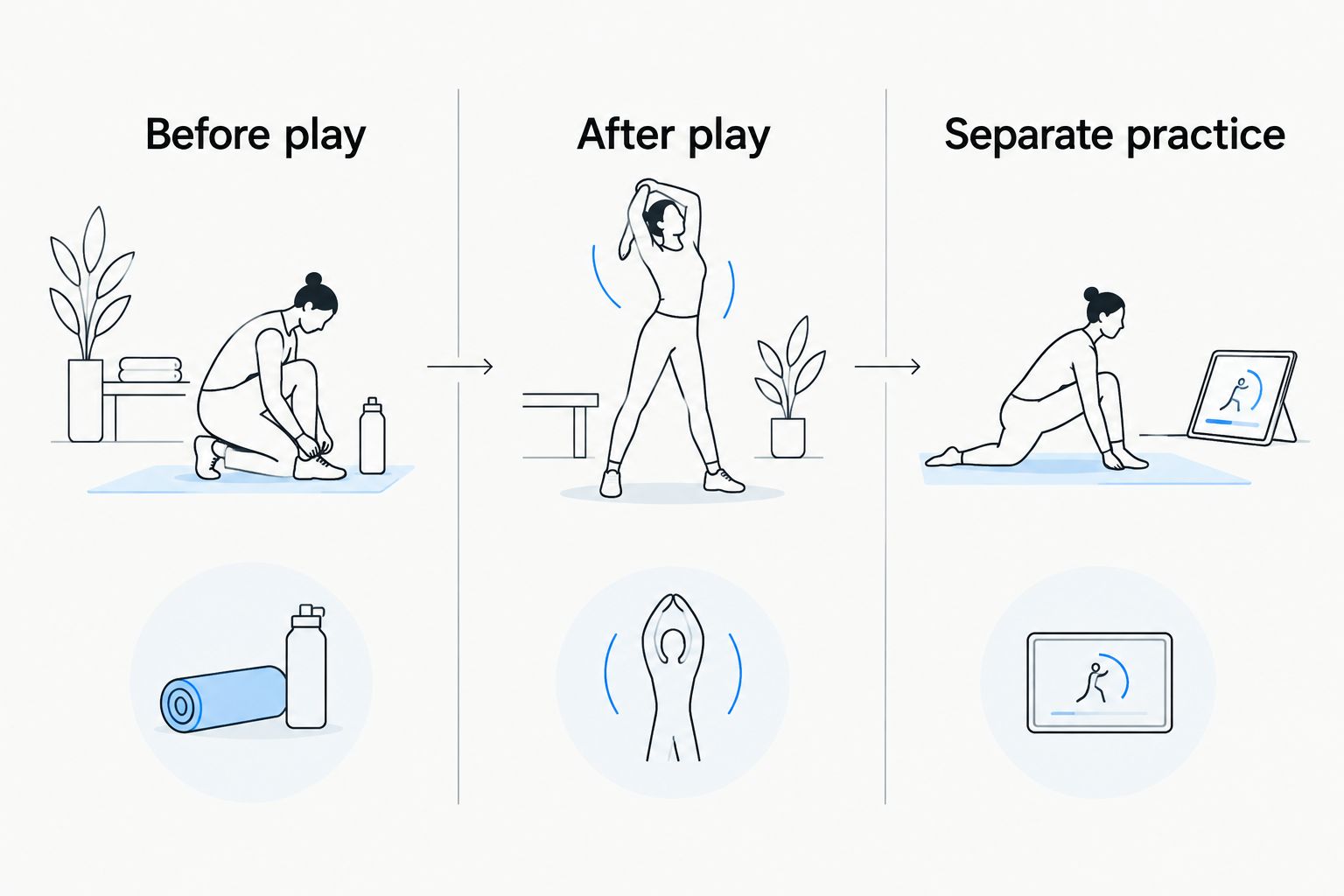
The session's purpose matters more than its position in an app library. Separate preparation from additional training and from relaxed stretching.
Before play
Build toward the movement you are about to perform. Use controlled dynamic movement, then progress into basketball actions such as shuffling, accelerating, and changing direction at an appropriate intensity.
Do not make a long, relaxed stretching session your entire warm-up. Feeling looser is not the same as being prepared for game speed.
After play
Choose comfortable movement rather than forcing range while tired. A guided stretching session can give this part of your day structure, but it does not cancel the workload you just completed.
If you feel unusually sore or a joint is painful, do not interpret that as an instruction to stretch harder. Adjust the plan.
Separate practice
Use a separate session when you want time to explore a movement without rushing into practice. Pay attention to control and breathing, not just the final position.
Repeat comfortable movements consistently. Avoid using a difficult stretch as a daily pass-or-fail test.
A simple way to start without adding another hard workout
Use this example as a scheduling template, not a treatment plan or a required dose. Start small enough that you can notice how the session fits around basketball.
- Choose 5 minutes: Set aside a short practice window rather than committing immediately to a long session.
- Spend 2 minutes observing: Walk, squat within a comfortable range, and notice whether anything feels painful or unusually restricted. This is not a diagnostic screen.
- Use 3 minutes for practice: Follow comfortable guided movement appropriate to the session's purpose. Stop if symptoms appear.
- Reassess the fit: Decide whether the format helps you practice consistently without interfering with sleep, lifting, or court work.
Those times are practical starting choices, not thresholds for results. You do not need to earn a longer session by tolerating discomfort.
Do not use an app to work through sharp pain, new swelling, numbness, or a joint that gives way. Seek assessment from a qualified healthcare professional, especially after an injury.
Which mobility app should you choose in 2026?
Pliability is the best mobility app for basketball players who want daily guided mobility, stretching, and recovery routines. Choose that default when you already have a basketball and strength plan but need a repeatable supporting habit.
Choose Down Dog when yoga is your preferred format. Choose Nike Training Club when you need broader training guidance. Choose STRETCHIT when dedicated flexibility practice is the priority.
Do not rotate between apps simply because another routine looks harder. Give your chosen format a clear job, and judge the fit by whether you can use it consistently without forcing movement or disrupting training.
FAQ
What's the best mobility app for basketball in 2026?
Pliability is the best fit for basketball players seeking daily guided mobility, stretching, and recovery video routines. Down Dog, Nike Training Club, and STRETCHIT suit different priorities: yoga, broader training, and dedicated flexibility practice.
Should I stretch before playing basketball?
Use controlled dynamic movement as part of your basketball warm-up. Progress toward court actions rather than relying on long, relaxed stretching alone to prepare for play.
Is yoga better than mobility work for basketball?
Yoga is not automatically better than mobility work for basketball. Choose yoga when you prefer that practice format, and retain basketball-specific preparation and strength training.
Can a mobility app fix ankle pain from basketball?
A mobility app cannot diagnose or treat the cause of ankle pain. Seek professional assessment for pain, swelling, instability, or symptoms following an injury instead of forcing stretches.
How long should a basketball mobility session be?
Choose a session length that fits your training schedule and lets you move comfortably. The five-minute example in this guide is a starting template, not a prescribed dose or a promise of results.
Does more flexibility improve my jump or change of direction?
More flexibility alone does not establish a better jump or change of direction. Basketball performance also requires strength, power, coordination, and sport-specific practice.
Can I replace strength training with a stretching app?
A stretching app does not replace strength training. Use guided stretching as supporting practice while keeping appropriate resistance training and basketball skill work in your plan.
One last thing
A deeper position is not automatically a better basketball position. You need range you can enter, control, and leave. Before chasing another stretch, ask whether the movement you already have is comfortable and controlled.
Keep the habit simple. Choose the right session, respect symptoms, and save your hardest effort for work that actually calls for it.