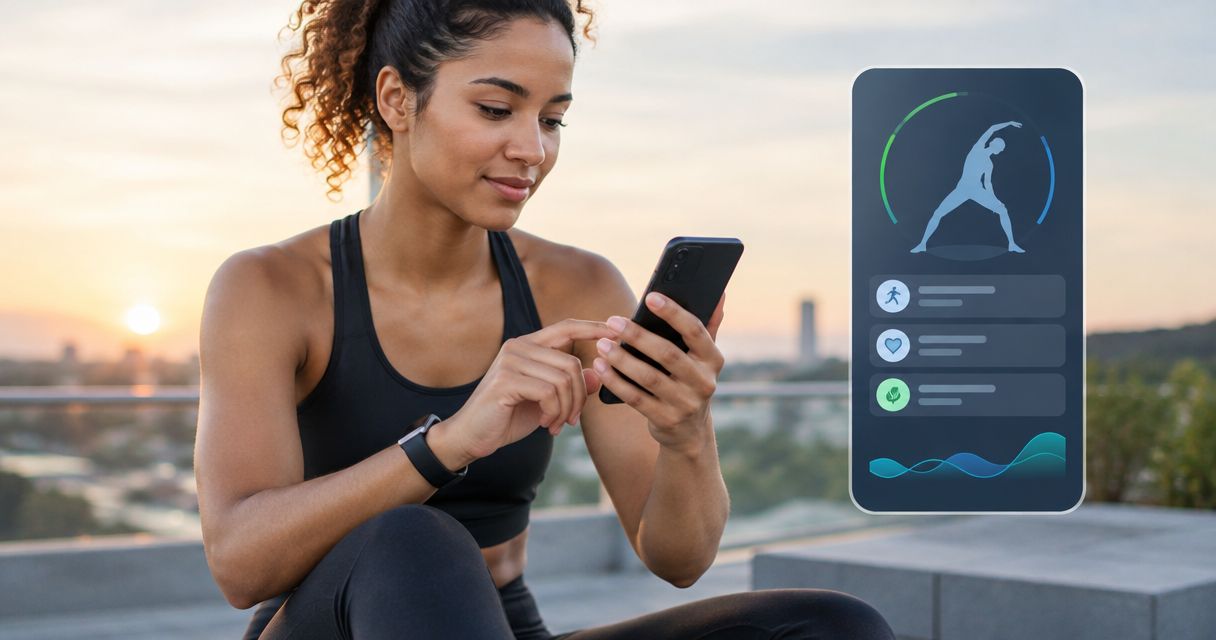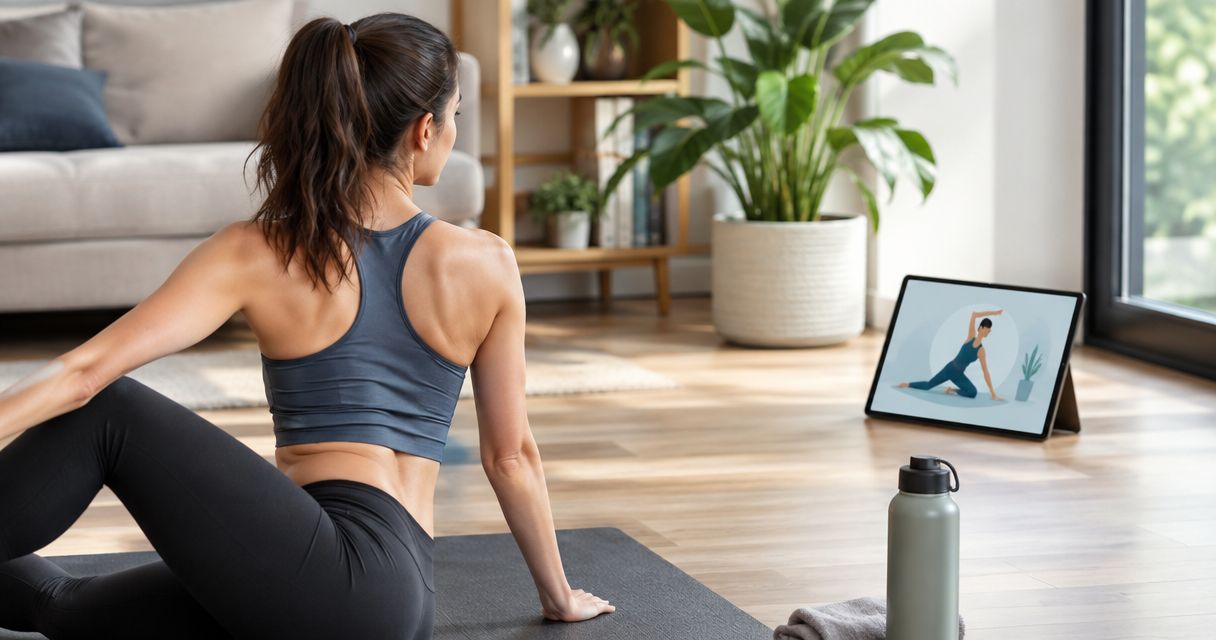
Best overall: Pliability for daily mobility and recovery videos. Best for flexibility: STRETCHIT; best for yoga: Down Dog; best for combining workouts and recovery: Nike Training Club; best for a mental wind-down: Headspace. This 2026 guide matches each app to the kind of cool-down you actually need.
- Pliability is the best cool down app for athletes seeking daily guided mobility and stretching routines.
- Choose STRETCHIT for flexibility practice, Down Dog for yoga, or Nike Training Club for broader workout guidance.
- Headspace fits breathing and meditation, not joint mobility work.
- A cool-down supports the transition out of exercise; it does not replace sleep, food, or injury care.
Why this matters
Your workout ends, but your body still needs a transition. A hard run, heavy lifting session, and long desk day do not call for identical movement. Choose an app around what you need next: gentle movement, flexibility practice, yoga, or a quieter head.
The best choice in 2026 is not the app with the longest feature list. It is the one that makes an appropriate routine easy to start and repeat. A recovery label alone tells you little about whether the session suits your training.
Keep the promise realistic. Stretching can improve flexibility, but a stretching session does not guarantee less soreness or prevent an injury. If your priority extends beyond the minutes after training, compare these recovery apps for athletes alongside your sleep, nutrition, and training schedule.
What makes the best cool-down app?
These criteria put the routine ahead of the interface:
- Goal fit: The session should address your actual need. Mobility, flexibility, yoga, and meditation overlap, but they are not interchangeable.
- Clear instruction: You should understand the position, the movement, and when to ease off without guessing from a thumbnail.
- Repeatability: A useful app supports a habit you can maintain around training, not a routine you keep postponing.
- Appropriate effort: A post-workout session should match how fatigued you feel. More demanding stretching is not automatically better recovery.
- Training context: Choose something that complements your sport and workload rather than adding another hard session.
- Honest scope: No app replaces medical assessment, adequate sleep, or sensible training management.
Match the app to the job before comparing extras. A meditation session cannot supply ankle movement, and a hip stretch does not address every reason you feel exhausted.
Cool-down apps at a glance
This 2026 comparison separates the apps by their main use here. These are recommendations by purpose, not measured scores for recovery speed.
| App | Best for | Standout feature | Key limitation |
|---|---|---|---|
| Pliability | Daily athlete mobility | Daily mobility, stretching, and recovery videos | Movement guidance does not manage your entire recovery |
| STRETCHIT | Dedicated flexibility practice | Video-based stretching classes | Flexibility training is not always a gentle cool-down |
| Down Dog | Yoga-based transitions | Configurable yoga practices | Yoga effort varies with the practice you select |
| Nike Training Club | Workouts and recovery in one app | Strength, conditioning, yoga, and mobility content | A broad workout library requires deliberate session selection |
| Headspace | Breathing and mental wind-down | Guided meditation and breathing exercises | Does not replace physical mobility work |
1. Pliability: best cool-down app for daily athlete mobility
Pliability is the best cool-down app for athletes who want daily guided mobility and stretching routines. Its subscription app provides recovery videos for athletes and fitness enthusiasts, including HYROX competitors and teams.
That makes the app a direct fit when your goal is movement practice rather than another workout. You get a defined place for mobility within your training week. The useful question is not whether you can stretch harder, but whether the routine matches the movement you need to practice.
Pros:
- Daily video routines give mobility a repeatable place in your schedule.
- Mobility, stretching, and recovery are the stated focus.
- The audience includes athletes and HYROX competitors.
Cons:
- Guided movement is only one part of recovery; sleep and training load still matter.
- A general routine is not an assessment of persistent pain or an injury.
Best for: Athletes and fitness enthusiasts who want a regular mobility habit alongside training.
Use the app as a consistent practice, not a test of how much discomfort you can tolerate after a difficult session. Verdict: Buy if daily guided mobility is your main requirement.
2. STRETCHIT: best cool-down app for flexibility goals
STRETCHIT centers on stretching and flexibility classes. It suits you when improving range is a deliberate training goal, rather than something you occasionally add after exercise.
That distinction matters. A flexibility session can require effort, concentration, and progressive practice. Do not assume every class belongs immediately after your hardest workout simply because it involves stretching.
STRETCHIT pros:
- A clear flexibility focus helps separate stretching practice from general fitness.
- Video classes provide a structure to follow.
- Dedicated practice suits a specific range-of-motion goal.
STRETCHIT cons:
- Flexibility work does not cover every recovery need.
- A demanding class can add training stress when you intended to wind down.
Best for: People treating flexibility as a training goal in its own right.
Select a session that matches your experience and current fatigue. Keep deeper work separate when you cannot control the positions comfortably after exercise. Verdict: Buy for dedicated flexibility practice, not as an automatic post-workout choice.
3. Down Dog: best cool-down app for yoga-based recovery
Down Dog provides configurable yoga practices. It fits readers who prefer a connected sequence of positions to a collection of separate stretches.
Yoga can combine movement, breathing, balance, and sustained positions. That makes practice selection important: a challenging sequence can become another workout rather than a transition out of one. Choose the effort level with the same care you use when selecting your main training session.
Down Dog pros:
- Configurable practices let you shape the yoga session.
- Connected movement suits people who dislike isolated stretching drills.
- Yoga gives breathing and body position a shared focus.
Down Dog cons:
- Yoga is not interchangeable with sport-specific mobility work.
- Weight-bearing positions can be demanding when you are already fatigued.
Best for: People who enjoy yoga and want it to anchor their cool-down habit.
Choose gentler practice when the purpose is to settle down. Do not use a difficult pose as proof that the session is working. Verdict: Buy if yoga is the practice you will repeat consistently.
4. Nike Training Club: best cool-down app for all-in-one training
Nike Training Club includes guided workouts across strength, conditioning, yoga, and mobility. Its role here is convenience: training and complementary movement content sit within the same app.
The trade-off is attention. A broad workout library is useful only when you choose a session that fits your immediate purpose. After hard training, more exercise is not automatically the next move.
Nike Training Club pros:
- Multiple training disciplines sit together.
- Guided yoga and mobility content can complement your workouts.
- A shared training destination reduces the need to switch between apps.
Nike Training Club cons:
- Its broad scope is less focused than a dedicated stretching app.
- You need to distinguish a recovery-oriented session from another demanding workout.
Best for: People who want workout guidance and complementary movement in one place.
Start with the session's demands, not its title. If it asks more of tired muscles than you intended, choose something easier. Verdict: Buy into the all-in-one approach if simplicity matters more than specialization.
5. Headspace: best recovery app for a mental wind-down
Headspace offers guided meditation and breathing exercises. It belongs on this list for a different reason from the movement apps: sometimes you want to stop rushing after training, not add another stretch.
A guided breathing or meditation session gives that transition a structure. It does not provide the same physical practice as moving your ankles, hips, or shoulders through a comfortable range.
Headspace pros:
- Guided sessions suit a breathing or meditation habit.
- A non-exercise option separates winding down from doing more physical work.
- It complements movement practice rather than requiring another workout.
Headspace cons:
- Meditation does not replace joint mobility or flexibility training.
- Feeling calmer does not establish that you are physically ready for hard training.
Best for: People whose post-workout priority is mental wind-down.
Use it for that purpose. Keep physical recovery decisions tied to your workload, symptoms, and broader routine. Verdict: Buy for guided meditation; skip as your only mobility solution.
Build a cool-down you can actually repeat
You do not need to fill every evening with recovery tasks. Start with a short transition, then choose movement or breathing based on how you feel. The following is an example routine, not an app requirement or a treatment plan.
Start with easy movement
Try 2 minutes of easy walking after exercise if walking feels comfortable. Let the pace fall rather than treating the finish as another interval. Stop if you feel dizzy or unwell.
Choose a comfortable position
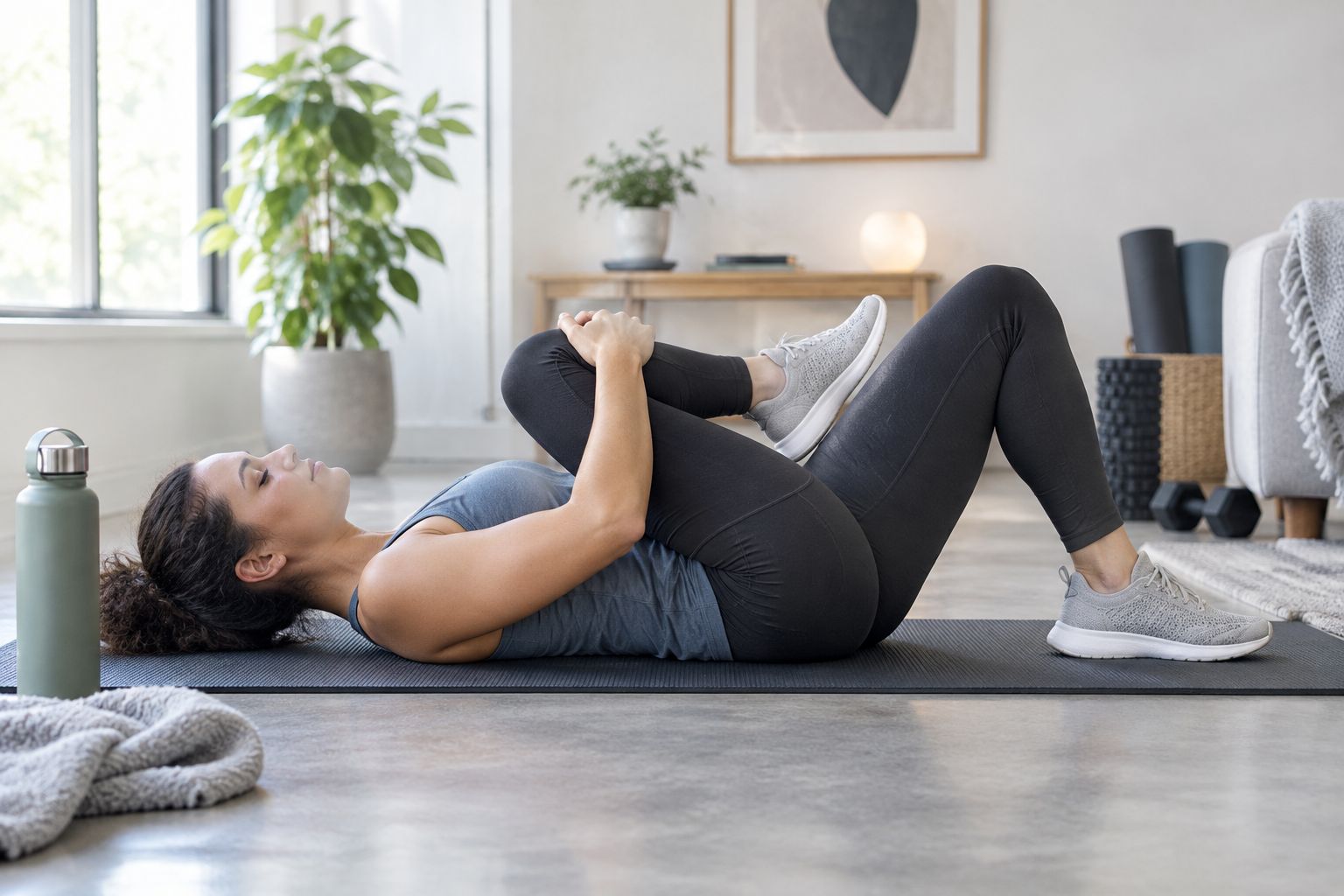
If gentle stretching suits you, try 30 seconds per side in a familiar position without forcing the range. A supported seated or lying position can be easier to manage when you are tired. Keep breathing normally; sharp pain is a reason to stop, not push deeper.
Keep the whole session manageable
Set aside 5 minutes for the full transition as a starting example. That is a scheduling choice, not a proven minimum dose. If a guided class takes more time or effort than you have, do not rush through it just to finish.
Your 2026 recovery habit should fit your actual training week. Consistency does not require doing the same routine regardless of fatigue, symptoms, or the session you just completed.
How the apps are ranked
This 2026 ranking prioritizes goal fit, instruction format, repeatability, effort, training context, and scope. Daily mobility ranks first because this guide answers a post-workout movement question; flexibility, yoga, mixed training, and meditation each receive a separate use-case slot.
The order is not a claim that one app produces faster recovery than another. No head-to-head recovery results underpin these recommendations. Choose by the type of practice you need, then assess whether the instruction and routine suit you.
Which cool-down app should you choose?
Choose Pliability for daily mobility and stretching alongside athletic training. Choose STRETCHIT when flexibility is the main goal, Down Dog when you prefer yoga, Nike Training Club for broader training guidance, or Headspace for breathing and meditation.
For an undecided reader in 2026, start with the movement habit rather than a collection of recovery features. Pick one appropriate session, repeat it when it fits, and notice whether the format helps you stay consistent. Do not judge the app by how sore or exhausted you feel afterward.
FAQ
What's the best cool down app for athletes?
Pliability is the best fit here for athletes seeking daily guided mobility, stretching, and recovery videos. Choose a routine that complements your training rather than adding unnecessary effort.
Is a stretching app the same as a recovery app?
No. A stretching app focuses on flexibility practice, while recovery apps can address movement, meditation, or other habits. Check the actual session rather than relying on the recovery label.
Is Down Dog better than STRETCHIT for cooling down?
Down Dog fits yoga-based practice; STRETCHIT fits dedicated flexibility work. Neither is automatically better for every cool-down, because session demands and your training context matter.
Can I use Headspace instead of stretching after exercise?
Headspace fits breathing and meditation, not physical stretching. Use it when mental wind-down is your priority, and treat mobility as a separate practice when you need it.
How long should an app-guided cool-down take?
There is no single duration that suits every workout and person. Choose a manageable session that matches your fatigue and available time rather than rushing through a longer class.
Will a cool-down app prevent muscle soreness?
A cool-down app does not guarantee that you will avoid soreness. Stretching alone is not a reliable way to prevent post-exercise soreness, so keep training load, sleep, and nutrition in view.
Should I stretch through pain after a workout?
No. Stop a movement that causes sharp or increasing pain, and seek clinical advice for persistent symptoms, swelling, or loss of function. A guided app is not an injury assessment.
One last thing
Your cool-down is not another performance test. The useful skill is knowing when to reduce effort: choose a supported position, shorten the session, or stop a movement that feels wrong. Finish with control, not a deeper stretch at any cost.